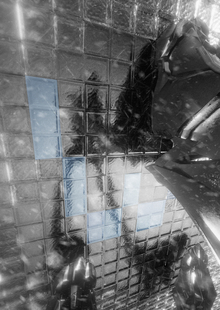

(introduction)
About the brand
VOID is a conceptual furniture brand focused on absence, space, and reduction. The brand creates minimal furniture that shifts attention from the object itself to the space around it. VOID treats furniture not only as a functional product, but as a way to shape perception and create visual calm.
Problem → Solution
The contemporary furniture market is filled with visually overloaded objects that compete for attention and create visual noise. VOID responds to this by removing everything unnecessary and offering furniture that allows space to breathe. Minimalism here is not emptiness, but a conscious design choice.(mission)
VOID reveals the value of space and restraint through furniture design.
Core values
Reduction — removing the non-essential. Clarity — clear forms and honest materials. Spatial awareness — working with negative space as a design element. Emotional calm — creating visual rest in a saturated media environment. Limited production — small series that emphasize uniqueness.VOID is designed for minimalists and contemporary people who see furniture as part of a broader spatial and cultural context.
(communication theories in design)
Design communicates before it is understood.
This project is based on the idea that design is not a neutral aesthetic practice, but a system of communication that shapes perception, emotion, and meaning. Communication theory here is not used as a commentary after design decisions are made — it structures the design process itself.
The central thesis of the project is simple: absence can be as communicative as form. Reduction, silence, and negative space become active elements of visual language.
Communication as a Field of Choices (Robert T. Craig, 1999)
According to Robert T. Craig, communication theory is not a single unified system, but a field of coexisting traditions. This project consciously works within selected traditions rather than attempting to cover them all. The semiotic, rhetorical, and critical traditions form the conceptual core of the project. This choice reflects a focus on meaning, persuasion, and reflection rather than behavioral prediction or efficiency alone. Design here is treated as interpretation, not instruction.
Visual Semiotics: Meaning Through Reduction (Roland Barthes, 1967; Umberto Eco, 1976)
From a semiotic perspective, meaning emerges through difference. What is removed becomes as significant as what remains. Negative space, restrained forms, and minimal color accents operate as signs that communicate clarity, intention, and control. In this project, reduction is not a stylistic trend but a communicative strategy. The visual language relies on contrast between presence and absence, allowing small details to carry disproportionate meaning.
Rhetoric and Emotional Balance (Aristotle)
Visual communication follows the rhetorical structure of ethos, pathos, and logos. Ethos is built through consistency and precision; logos through functional clarity; pathos through tactile materials, subtle contrasts, and spatial calm. This balance allows the same design language to address different audiences without changing its core identity. Emotion is present, but controlled; persuasion is quiet rather than declarative.
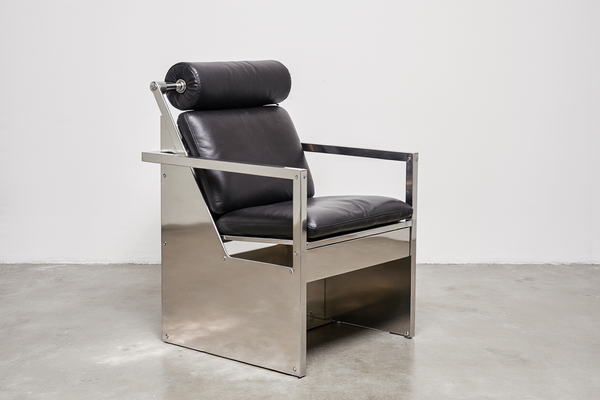
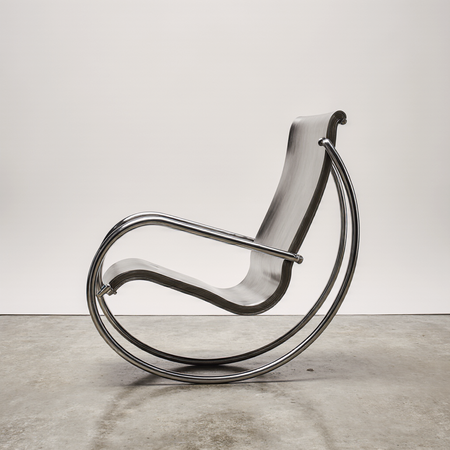
Furniture (Chairs V1.0)
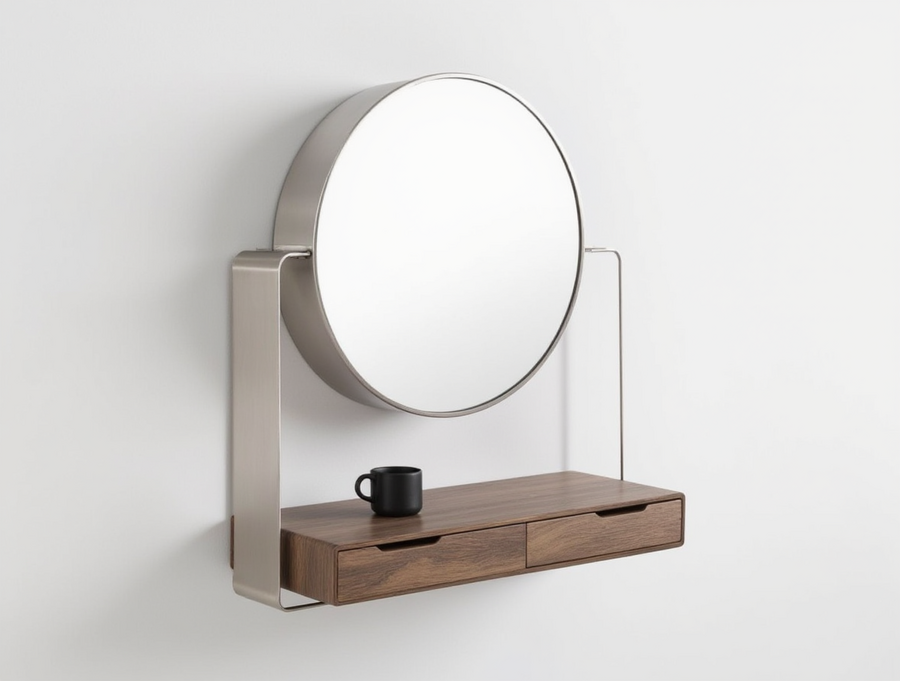
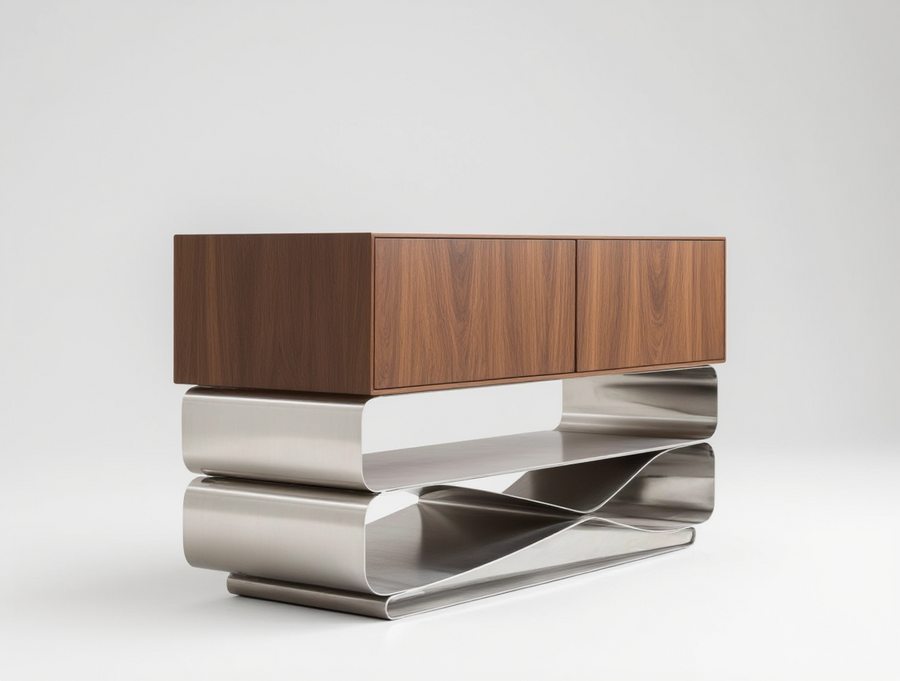
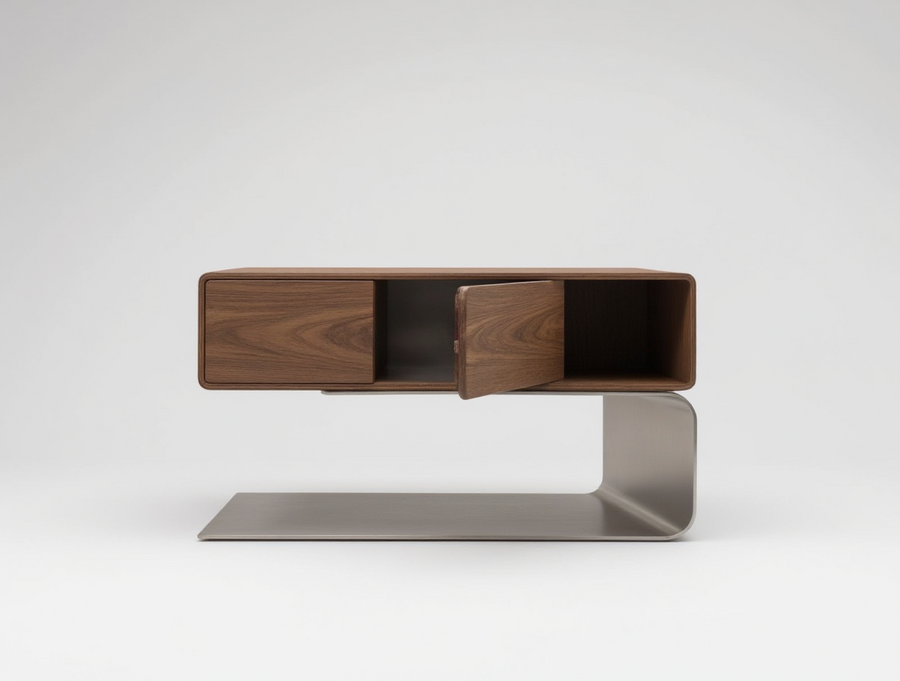
Furniture (Shelves V1.0)
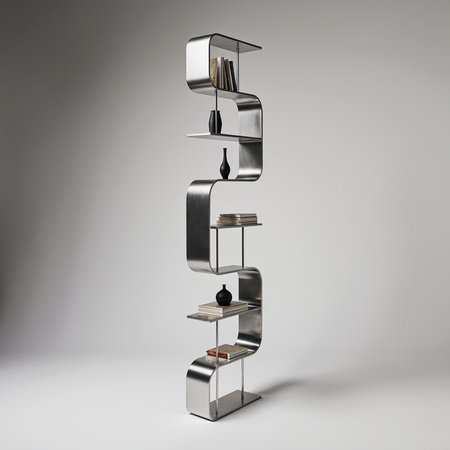
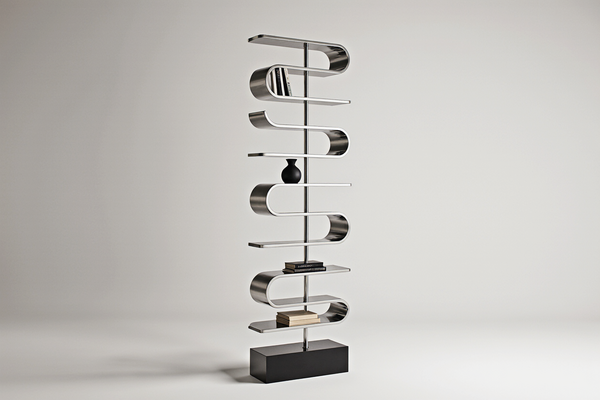
Furniture (Shelves)
Media Environment and Visual Silence (Marshall McLuhan, 1964)
In a saturated media environment, minimalism creates a moment of pause. Reduced visual complexity slows perception and encourages attention rather than distraction. Visual silence functions as a media effect in itself. Instead of competing for visibility through intensity, the project adopts restraint as a strategy of distinction. The absence of excess becomes memorable.
Social Media and Self-Presentation (Erving Goffman, 1959)
Objects are not only consumed, but displayed. In digital environments, interior objects participate in users’ self-presentation and identity construction. Clean forms and distinctive details allow objects to remain recognizable while adapting to personal narratives. The project acknowledges this dual role: functional objects become communicative tools without losing their autonomy.
Public Relations and Professional Dialogue (Grunig & Hunt, 1984)
Communication with professional audiences is structured as a dialogue rather than promotion. Design is presented through concepts, systems, and processes, emphasizing transparency and shared values. This approach strengthens trust and long-term relationships.
Critical Perspective: Conscious Restraint (Stuart Hall, 1980)
From a critical communication perspective, restraint becomes a cultural position. In contrast to overproduction and constant stimulation, reduction and limitation signal conscious choice. Design operates not only as an object, but as an attitude toward contemporary visual culture.
Theory-Guided Design
VOID demonstrates how communication theory can guide design decisions across visual identity, media presence, and audience interaction. Theory defines the boundaries within which design choices are made, ensuring coherence and clarity. The result is a communication system where form, absence, and meaning work together — quietly, consistently, and deliberately.
(presentation for the general audience)
Welcome to VOID, where furniture transforms everyday spaces into environments of calm, clarity, and intentional expression. Every piece is designed to communicate purpose and emotion, turning interiors into areas that feel both alive and thoughtfully composed.
VOID is for those who value balance, openness, and subtle sophistication. In compact apartments, studios, or modern offices, our furniture frees the space visually and emotionally. Minimalist forms, linear abstraction, and generous negative space guide the eye and the mind, creating a sense of order and focus. Abstract geometric shapes, clean lines, and the interplay of metal and wood provide tactility, while subtle visual details act as anchors, encouraging pause and quiet appreciation.
Our furniture responds to modern life’s challenges: visual clutter, sensory overload, and limited adaptability. Each object is proportioned to fit various layouts and contexts, allowing interiors to feel cohesive and intentional. Open surfaces, restrained palettes, and modular configurations draw attention to what matters, letting users engage with space and form in an intuitive, almost instinctive way.
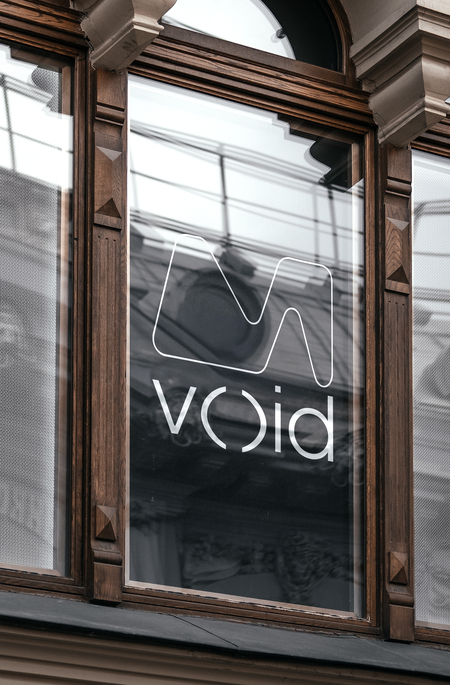
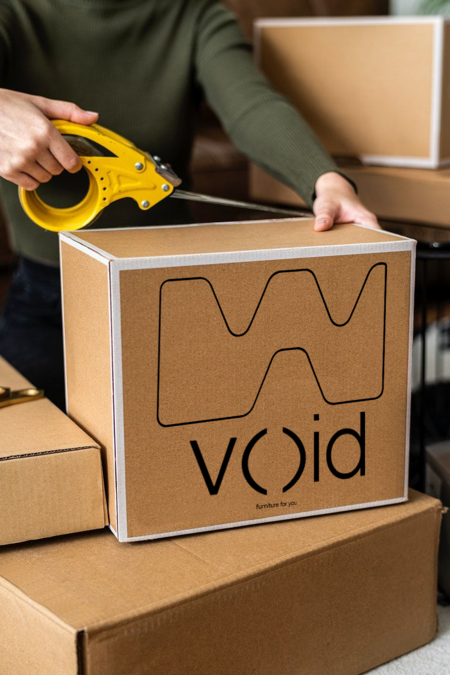
VOID evokes calm, focus, and understated delight. Small surprises: a floating tabletop, a colored inner panel, or a geometric cutout, create moments of discovery and engagement, while clear functionality reassures and supports everyday use. The careful composition of form, space, and detail encourages reflection and subtle emotional connection, letting interiors feel alive yet serene.
Our brand makes simplicity expressive. Furniture helps people shape their environments with intention, emphasizing freedom, clarity, and elegance. Every choice of material, proportion, and visual emphasis communicates consideration and care, transforming rooms into spaces that support both action and contemplation
VOID interacts with its audience through multiple channels, ensuring both accessibility and exclusivity. Its online platform provides detailed presentations, project visualizations, and a virtual showcase of furniture collections, allowing designers and architects to explore pieces in different configurations. At the same time, the brand maintains a physical presence through its flagship store, where professionals can experience materials, proportions, and spatial interactions firsthand. This combination of digital and real-world access ensures that VOID is approachable and usable for a wide audience while maintaining its exclusive character, offering carefully curated, limited-edition designs that elevate professional projects and inspire creative exploration.
Discover VOID. Explore the collection, choose pieces that resonate with your sensibilities, and experience interiors that balance openness with detail, function with emotion, and minimalism with personality. Let VOID guide you toward spaces that feel meaningful, intentional, and uniquely yours.
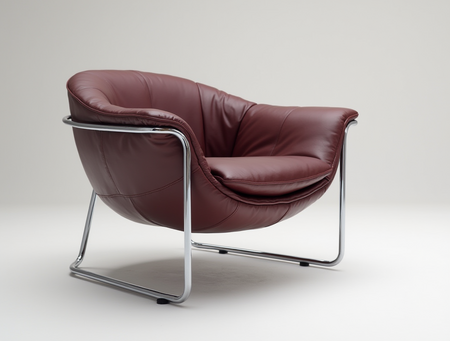
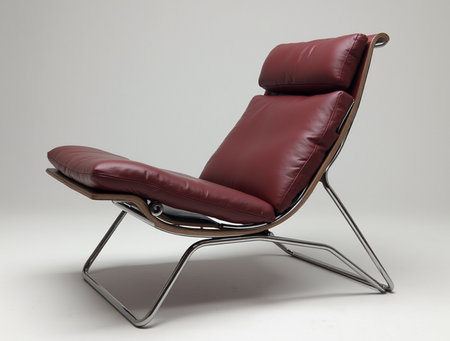
Furniture (Chairs V2.0)
Furniture (Tables)
(presentation for the professional audience)
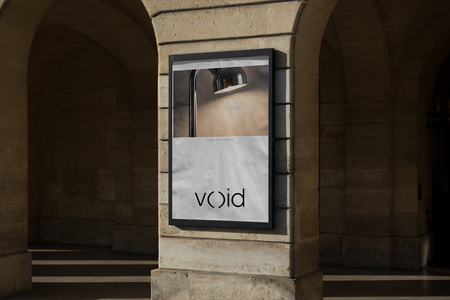
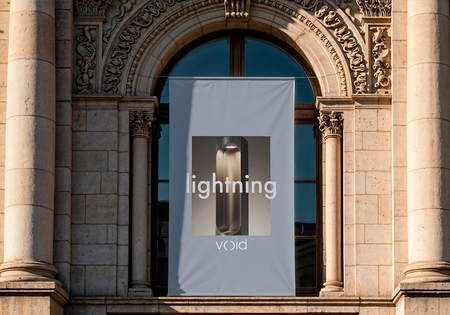
VOID communicates with designers, architects, galleries, and industry partners through a system that emphasizes conceptual depth and functional design. Professionals engage not just with aesthetics, but with how each piece shapes space and the reasoning behind its form.
The brand embodies minimalism with expressive accents, reflecting the central idea of empty space. Each object is crafted with intention: a shelf with a geometric cut-out, a, or a table with a transparent panel that seems to float. These choices define perception, emphasize spatial relationships, and convey deliberate clarity. Negative space, linearity, and abstract shapes establish rhythm and balance, giving each piece a strong presence without overwhelming its surroundings.
Materials bring depth and contrast. Metal conveys precision and strength, while wood adds warmth and tactility. A restrained palette, carefully considered proportions, and subtle details allow each piece to integrate naturally into diverse professional environments, embodying credibility, emotional resonance, and functional logic.
Professionals encounter VOID through exhibitions, case studies, and installations, experiencing how objects interact within a broader spatial narrative. Modular systems adapt to various layouts, demonstrating flexibility alongside a coherent visual language. Every presentation focuses attention on form and concept, highlighting intent and reducing distractions. Geometry, materiality, and hierarchy signal expertise, thoughtfulness, and conceptual rigor, positioning VOID as a cohesive, intellectual system rather than isolated products.
VOID Space (Showroom)